
The Allure of Gambling: Psychological Triggers
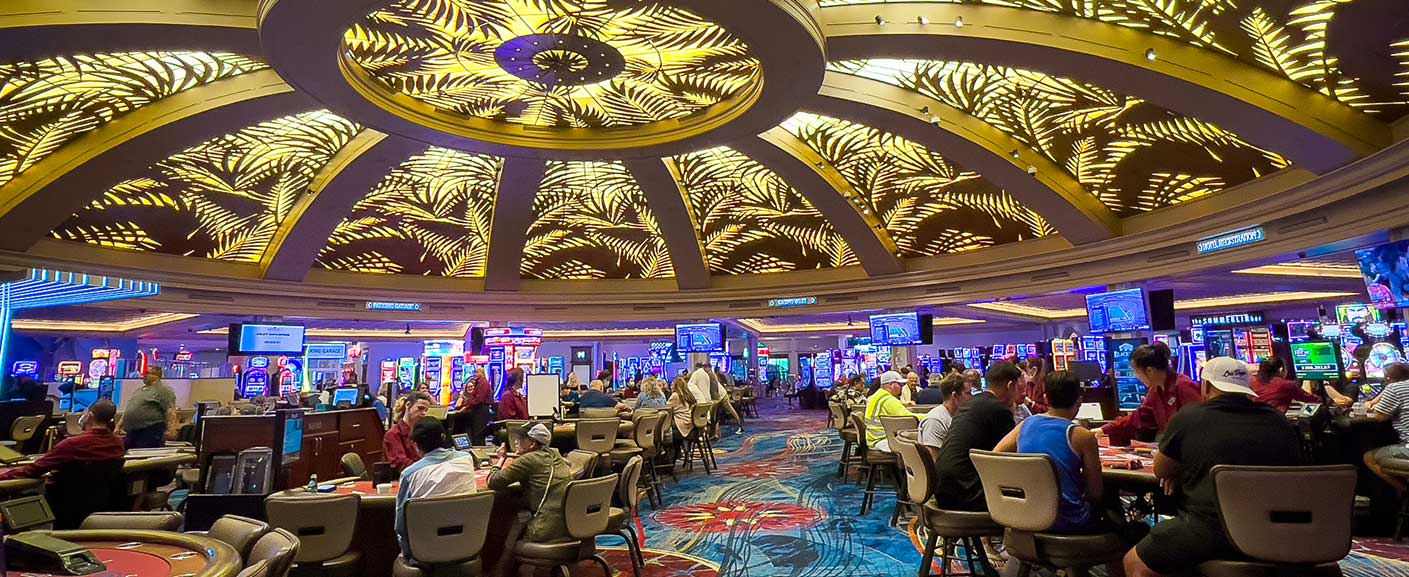
Casino gambling is not just about luck; it’s a complex interplay of psychology that drives players to participate. One of the primary psychological triggers is the thrill of risk-taking, which can create a rush of adrenaline. This excitement is often amplified by the vibrant atmosphere of casinos, with their bright lights and captivating sounds designed specifically to keep players engaged and coming back for more. For those interested in the thrill of chance, these venues offer a unique experience much like online casinos nz.
Furthermore, the concept of variable rewards plays a significant role in gambling psychology. Players are drawn to the uncertainty of outcomes, knowing that they could hit a jackpot at any moment. This unpredictability creates a ‘gambling high,’ which reinforces continued play and can lead to addictive behaviors. Understanding these psychological drivers can help individuals make more informed choices regarding their gambling strategies.
Common Gambling Strategies: A Psychological Perspective
Various gambling strategies are popular among players, each with its own psychological appeal. For instance, the Martingale strategy, where players double their bets after a loss, may give a sense of control and the expectation of recovering losses. This method leans heavily on the gambler’s fallacy, the belief that past events influence future probabilities, which can lead to significant financial setbacks.
Another strategy is the use of betting systems that promise a winning streak after a set number of losses. These systems prey on psychological biases, such as the desire for patterns and order in random events. Despite the inherent randomness of gambling, players often cling to these strategies, perpetuating the cycle of hope and disappointment.
The Role of Emotion in Decision Making
Emotions play a crucial role in the decision-making process within a casino environment. Players often make impulsive decisions driven by excitement or frustration, leading them to chase losses rather than sticking to a predetermined strategy. This emotional gambling can cloud judgment, resulting in poor choices that exacerbate losses.
Moreover, the social environment is a significant factor in shaping gambling behavior. The presence of others, whether they are friends or strangers, can amplify emotions and create a communal experience that may lead to riskier behavior. This social reinforcement can heighten the thrill of gambling but also increase the chances of making irrational decisions.
Understanding Cognitive Biases in Gambling
Gamblers frequently fall victim to cognitive biases that affect their judgment and behavior. One common bias is the ‘illusion of control,’ where players believe they can influence the outcome of games predominantly governed by chance. This misconception can lead to overconfidence and increased betting, despite the odds being stacked against them.
Additionally, confirmation bias can lead players to remember their wins while downplaying losses. This selective memory creates a distorted view of their gambling success, further perpetuating their engagement in gambling. Recognizing these cognitive biases is essential for individuals looking to develop healthier gambling habits and strategies.
TravelDoctor.co.nz: Ensuring Safe Gambling Practices
While understanding the psychology behind casino gambling strategies is important, it is equally vital to prioritize responsible gambling. TravelDoctor.co.nz is dedicated to providing resources and information that help travelers make informed health decisions, including those related to gambling.
By promoting awareness of the potential psychological pitfalls and encouraging individuals to recognize their limits, TravelDoctor.co.nz aims to foster safer travel experiences. Whether you’re visiting a casino or exploring new destinations, it’s crucial to stay informed and travel responsibly.